Home / Services
Everything that keeps water on the outside
Tinkloof runs nine related trades with one crew and one supervisor, so a leak that turns out to be a gutter problem, or a repaint that uncovers rotten purlins, does not need a second contractor. Pick a trade to see how we do it.
Roof repairs & leak tracing
A leak almost never starts where the damp patch shows. Water runs along a batten or a purlin and drops somewhere else entirely, which is why we trace it rather than guess it. The usual culprits on Cape roofs are corroded or badly lapped valley linings, flashing that has pulled away from a chimney or parapet, cracked and slipped tiles, perished sealant around pipes and aerial mounts, and ridging that has lifted in a southeaster.
Tracing usually takes an hour on the roof and sometimes another in the ceiling void. Once the entry point is found it is photographed, and the repair is priced on its own, not folded into a new roof, wherever the structure allows it. Where the roof is genuinely at end of life we will say so, with pictures, instead of selling you repeated patching.
| Roof types | Concrete and clay tile, slate, IBR and corrugated sheeting, flat concrete decks |
|---|---|
| Common repairs | Valley linings, back and side flashings, ridging, cracked tiles, sheet fixings, sealing around penetrations |
| Leak tracing | Hands-on inspection of the covering and the void beneath where we can reach it, plus a platform survey on large or unsafe roofs |
| You receive | A written report with photographs of each defect before any price is agreed |
| Supervision | One named foreman, on site every day the job runs |
| Also handled | The ceiling below, once the roof above it is closed |
Waterproofing
Waterproofing is a systems trade, not a product trade. The right answer depends on the substrate, the fall, the detail at the edges and how much foot traffic the surface takes. We install torch-on membrane on flat concrete decks and parapets, liquid rubber and acrylic systems where a jointless coating suits the shape better, and fibre-reinforced systems over junctions that move.
Most failures we are called to are not the membrane itself. They are terminations: an upstand that was never taken high enough, an outlet that was coated over, a parapet capping that funnels water behind the sheet. Those details are where the time goes on a Tinkloof job, and they are what the photographs in your quote will show.
| Systems | Torch-on membrane, liquid rubber, acrylic and fibre-reinforced coatings |
|---|---|
| Applies to | Flat and low-pitch concrete roofs, decks, balconies, parapets, gutters, box gutters, ridging |
| Products | Membrane and coating chosen per substrate, with the data sheet attached to the quote |
| Prep | Pressure clean, defective coating removed, cracks cut and filled, primer per system |
| Who lays it | Our own membrane crew, not general labour |
| Best season | Booked before the winter rains, so the surface is dry enough to bond |
Roof cleaning
Cleaning is the step cheaper quotes leave out, because nobody can see it once the paint is on. Coating over a living layer of algae buys you two seasons before the new paint lifts in sheets. Cape Town's damp winters and southeaster dust make that layer build faster on the south-facing pitches than most owners expect.
We clean before we coat, every time, and we clean at a pressure matched to the surface. Old clay tiles and slate need a gentler approach than an industrial IBR sheet. On walls, paving and cladding the same equipment does the work without stripping the substrate underneath.
| Removes | Lichen, black algae streaks, chalking, loose old coating and years of road dust |
|---|---|
| Surfaces | Tile, slate, metal sheeting, fibre cement, plaster walls, paving and industrial cladding |
| Why first | Coatings bond to the substrate, not to the growth on it. Cleaning is what makes the paint last |
| Pressure | Set per surface, gentle on old clay and slate, harder on factory sheeting |
| Run-off | Sludge caught at the downpipes, not washed into your garden or the street drain |
| Often paired with | Roof painting or a protective coating, quoted together |
Roof & exterior painting
On a paint job the quality is settled in the preparation, long before anyone opens the tin for the final coat. Roofs get cleaned, rusted fixings get treated, bare metal gets primed and failed sealant gets cut out before a brush is opened. Walls get the same treatment: cracks opened and filled, chalked surfaces stabilised and a system chosen for the exposure that wall actually faces.
We specify each paint system to the substrate rather than to the price list, and the data sheet goes out with the quote so you can read what is going on your walls. Wall repaints, industrial cladding and full exteriors run through the same crew and the same foreman as the roof trades.
| Scope | Roof coating, full exterior repaints, interior painting, industrial cladding |
|---|---|
| Systems | Specified per substrate, with the data sheet sent with the quote |
| Preparation | Pressure clean, rust treatment, priming, crack repair, sealant replacement |
| Metal roofs | Fixings checked and replaced where corroded before coating goes on |
| Occupied sites | Rooms done one at a time and handed back the same day |
| Finish | Site cleaned, offcuts removed, work walked with you before the team leaves |
Roof replacements
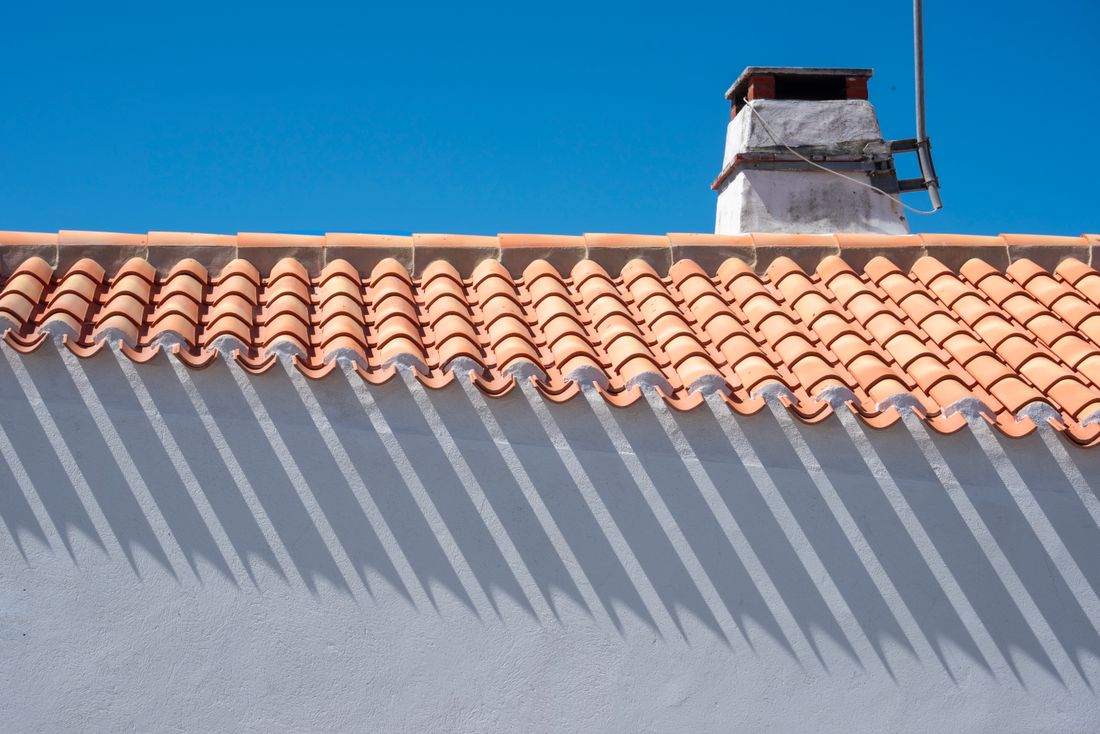
A replacement is where a roof's whole history finally shows, good and bad, and it shows in the first hour. Once the covering comes off, the timber underneath tells the truth: purlins softened by years of a small leak, battens that have lost their fixings, or a structure that was under-specified when the house was built.
We strip, inspect and photograph the structure before the new covering goes on, and we come back to you with what we found rather than quietly covering it. New fixings, new underlay and new flashings go in with every covering, never the old ones reused. Replacements run in sheeting, tile or slate, on houses, sectional title blocks and factory buildings.
| Coverings | IBR and corrugated sheeting, concrete and clay tile, slate |
|---|---|
| Structure | Purlins, battens and timber inspected once stripped, repairs quoted with photographs |
| Included | Ridging, flashings, valley linings and fixings as part of the system |
| Access | Harnessed and anchored on every pitched job, with a safety file compiled per site |
| Buildings | Domestic, sectional title, commercial and industrial |
| Weather | Sequenced so open areas are closed the same day wherever possible |
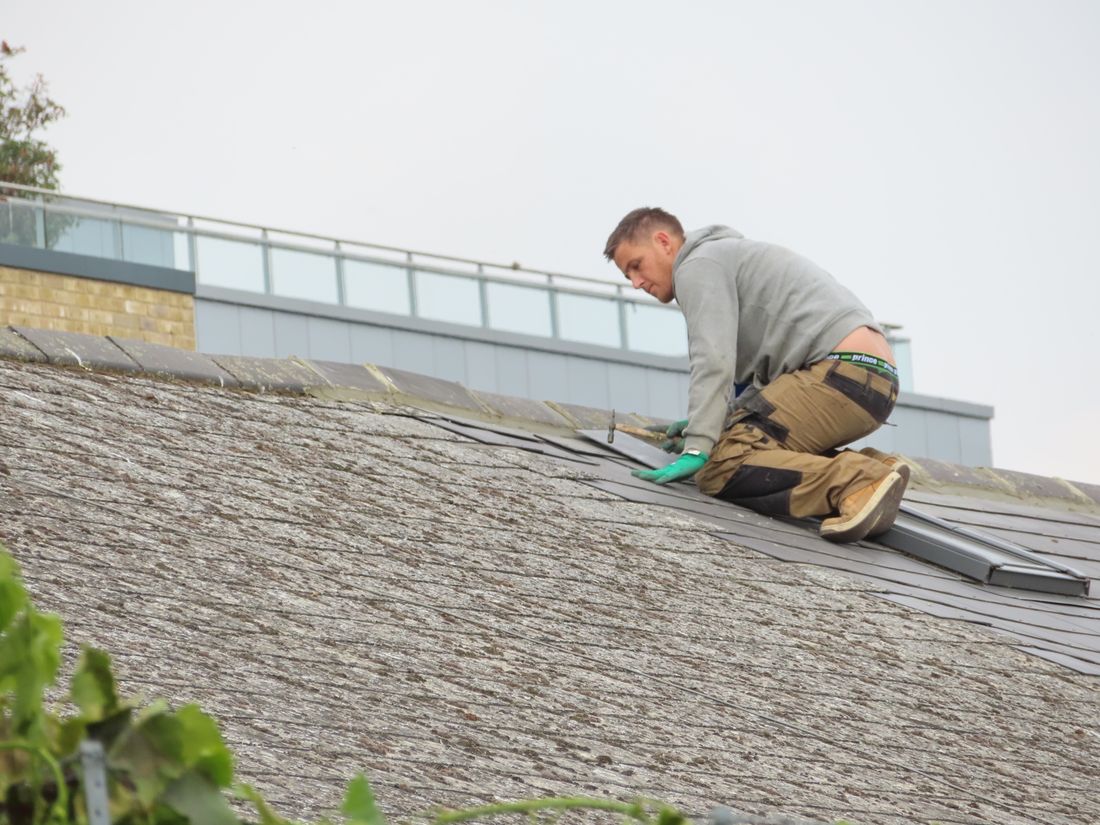
Gutters & fascia
A blocked gutter is the cheapest roof problem to fix and one of the most expensive to ignore. Water backs up over the fascia, soaks the barge board and finds its way into the wall head, and by the time it shows inside the ceiling the timber has been wet for a season. On industrial roofs the same thing happens in box gutters, at a scale where the overflow lands on stock.
Gutters get checked on every roof we climb, because the crew is already up there. On houses we clear them, re-hang sagging runs to a proper fall and replace what has rusted through. On factory roofs we reline or rebuild box gutters. Fascia and barge boards are usually part of the same visit.
| Houses | Cleared, re-hung to fall and resealed at the joints, or the run and downpipes replaced |
|---|---|
| Factory roofs | Box gutters cleared, relined or rebuilt in place |
| Related work | Fascia boards, barge boards and the brackets behind them |
| Timing | Best done before the first winter rains, and again after leaf fall |
| Warning signs | Overflow marks on the wall, sagging runs, plants growing in the gutter, damp at the wall head |
| Often paired with | A roof inspection while the crew is already up there |
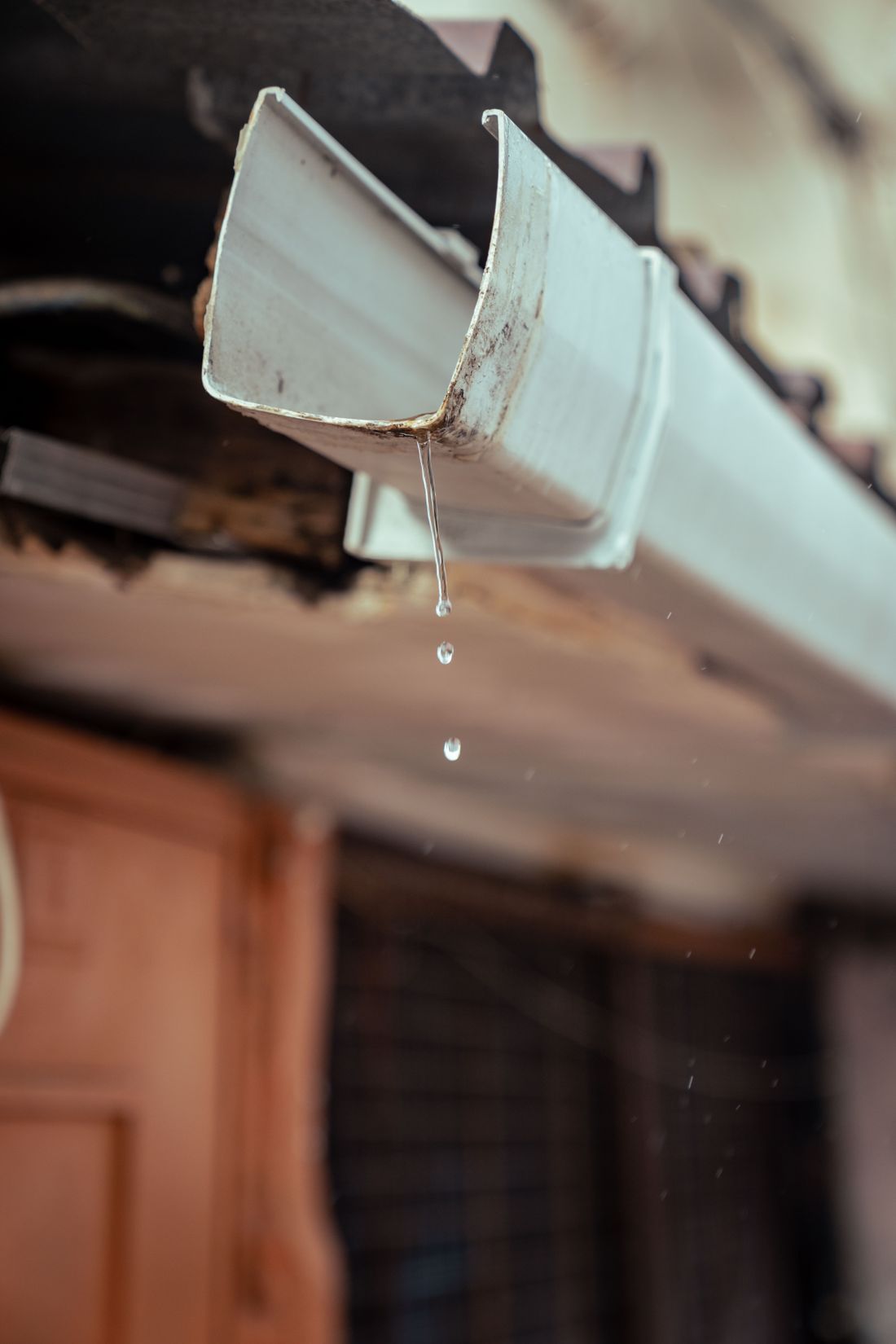
Inspections & condition reports
One of our foremen walks the roof, photographs it section by section and writes under each picture what it shows and how urgent it is. Where a roof is too large or too fragile to walk, we hire an access platform and inspect from that rather than put anybody on a surface that might not hold.
Buyers use the report before transfer, to know what they are taking on. Body corporate trustees use it to plan a ten-year maintenance budget instead of reacting to the next leak. After a storm, it gives your insurer dated photographs of the damage. Whoever asks for it, the report is yours to keep and pass on.
| Access | Ladders and walk boards, plus a hired access platform for large or unsafe roofs |
|---|---|
| Safety | Harnessed and anchored throughout, walk boards to spread the load on fragile sheeting |
| Coverage | Every section walked and photographed, valleys and hips included |
| Deliverable | A written roof condition report with photographs you keep |
| Suited to | Buyers before transfer, trustees planning levies, owners after a storm |
| Next step | Any repairs priced line by line, yours to accept or ignore |
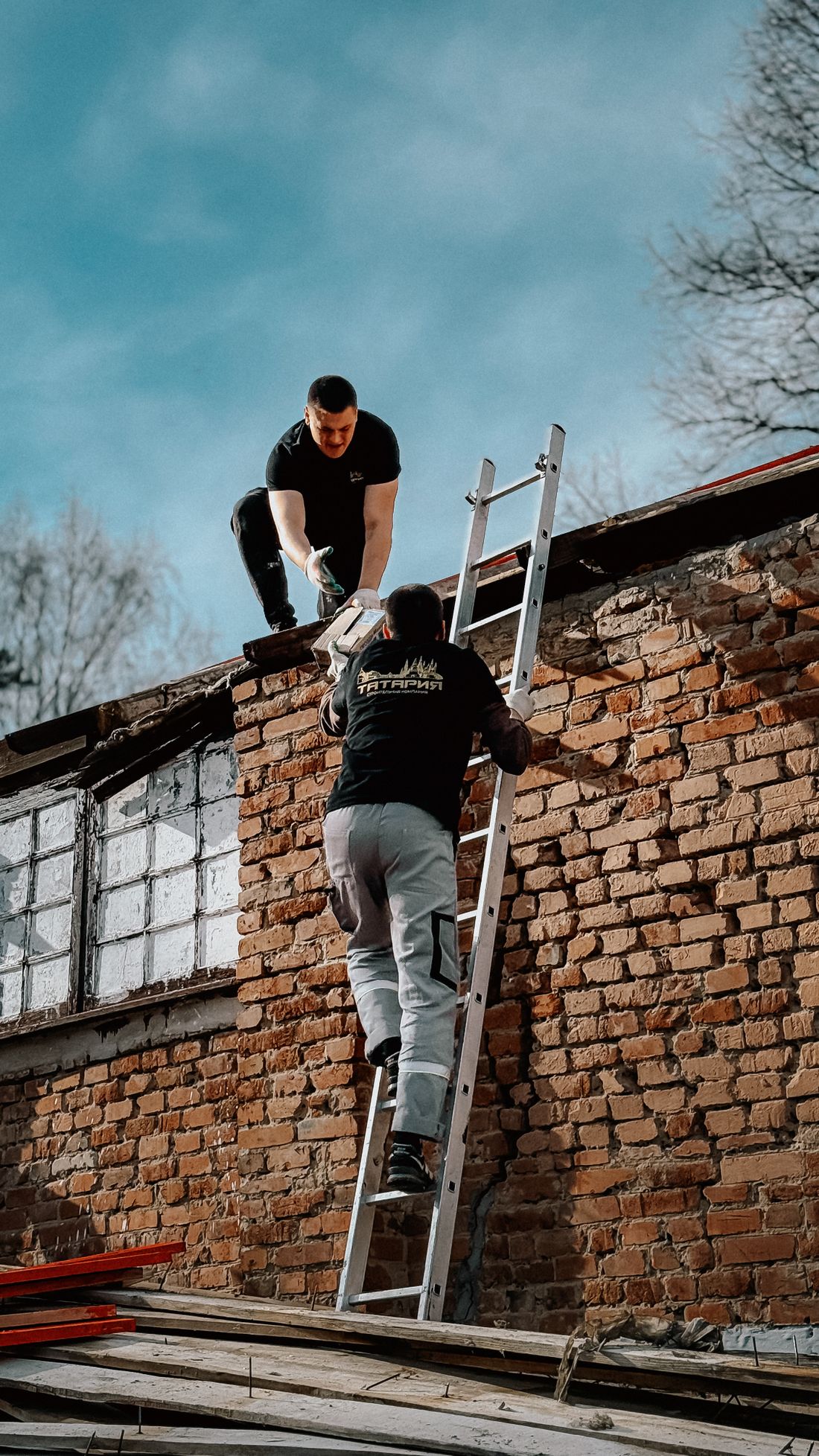
Chimneys, flashings & ridging
Roof coverings rarely fail in the middle. They fail at the joints, where one material has to meet another and something has to bridge the gap. Chimney aprons, wall abutments, valley linings, ridge and hip capping: that is where almost every leak we trace begins.
The cheap fix is a bead of sealant over the top, which lasts one summer and hides the problem while the timber underneath keeps getting wet. We take the joint apart, replace the flashing or the bedding properly, and re-point the capping so it is still sound in ten years.
| Scope | Chimney aprons and back gutters, wall abutment flashings, valley linings, ridge and hip capping |
|---|---|
| Method | Joint opened up and rebuilt, not sealed over |
| Bedding | Re-bedded and re-pointed in a flexible pointing compound rather than plain mortar |
| Materials | Galvanised, aluminium or lead-alternative flashing to suit the covering |
| Found along the way | Wet or rotten battens and purlins reported with photos before we replace anything |
| Typical job | One to two days on a domestic roof |
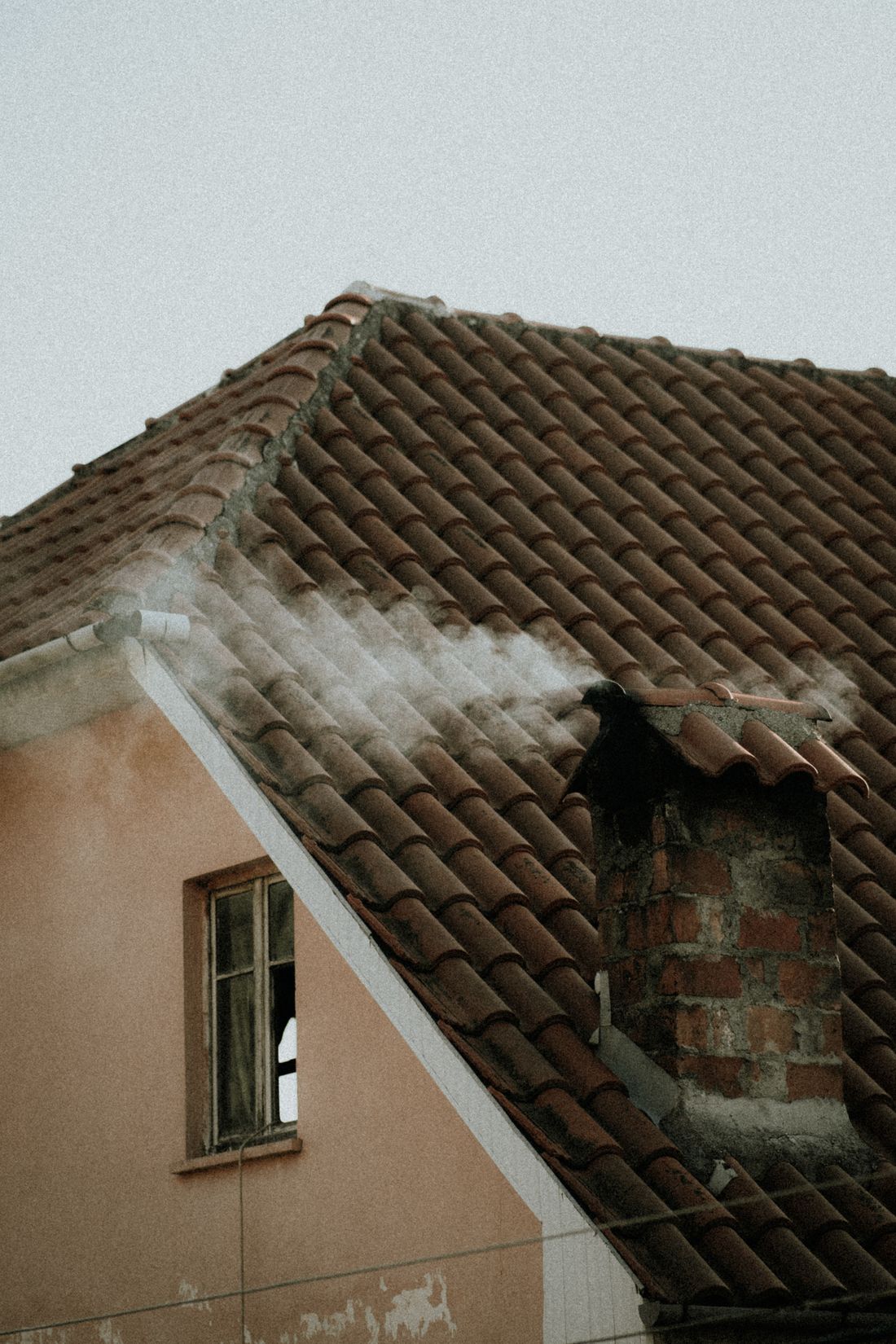
Tile & slate work
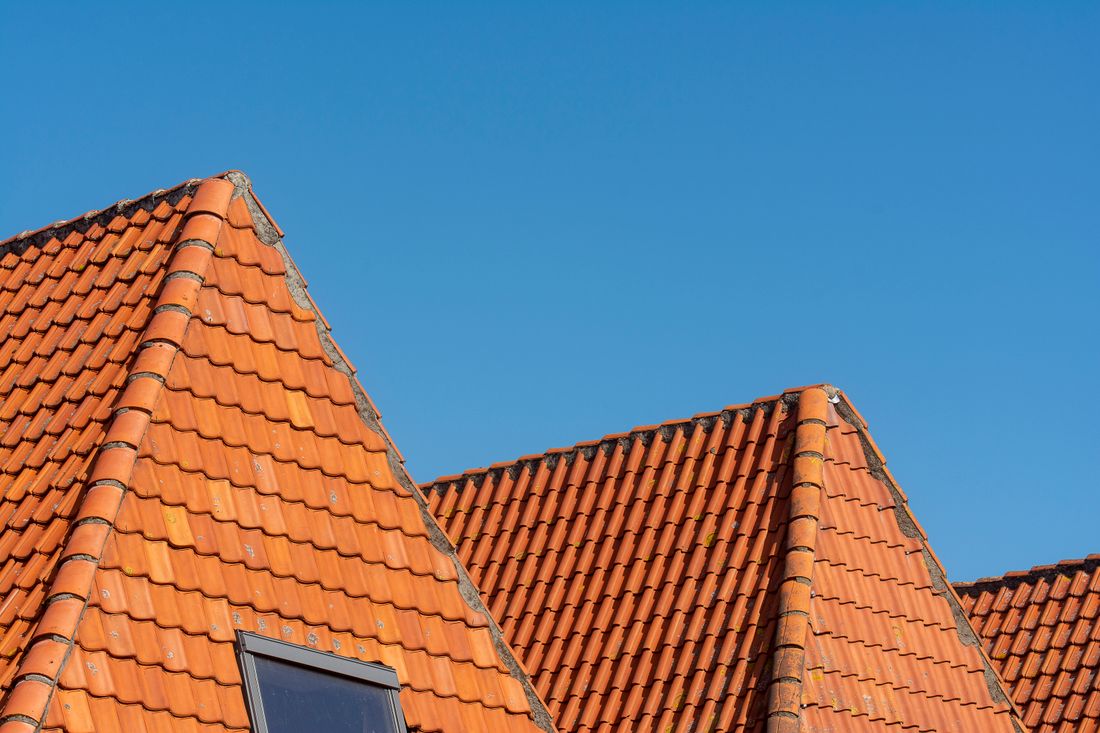
Concrete and clay tile move with age. Nibs wear, bedding cracks and a tile that has sat sound for fifteen years can start to slip after one hard southeaster. Natural slate fails differently: the nail or peg holding it corrodes long before the stone does, so a slate that still looks perfect can already be loose underfoot.
We re-bed and re-point wherever the mortar has gone, and replace cracked or slipped tiles with a matching profile and colour rather than whatever happens to be on the truck. Slate repairs are sourced and matched so a patch does not stand out from the rest of the roof, and older porous tile that has started drinking in water gets cleaned and sealed, which is usually the cheaper answer next to a full recover.
| Covers | Concrete tile, clay tile, natural slate, fibre cement slate |
|---|---|
| Common repairs | Cracked and slipped tiles, failed bedding and pointing, corroded slate fixings |
| Matching | Replacement tile and slate matched to profile and colour, not just whatever is in stock |
| Sealing | Older porous tile cleaned and sealed to stop it absorbing water |
| Access | Walked and inspected tile by tile, harnessed on steep pitches |
| Often paired with | Roof cleaning, since a seal only bonds to a clean surface |
One crew, so nothing falls between trades
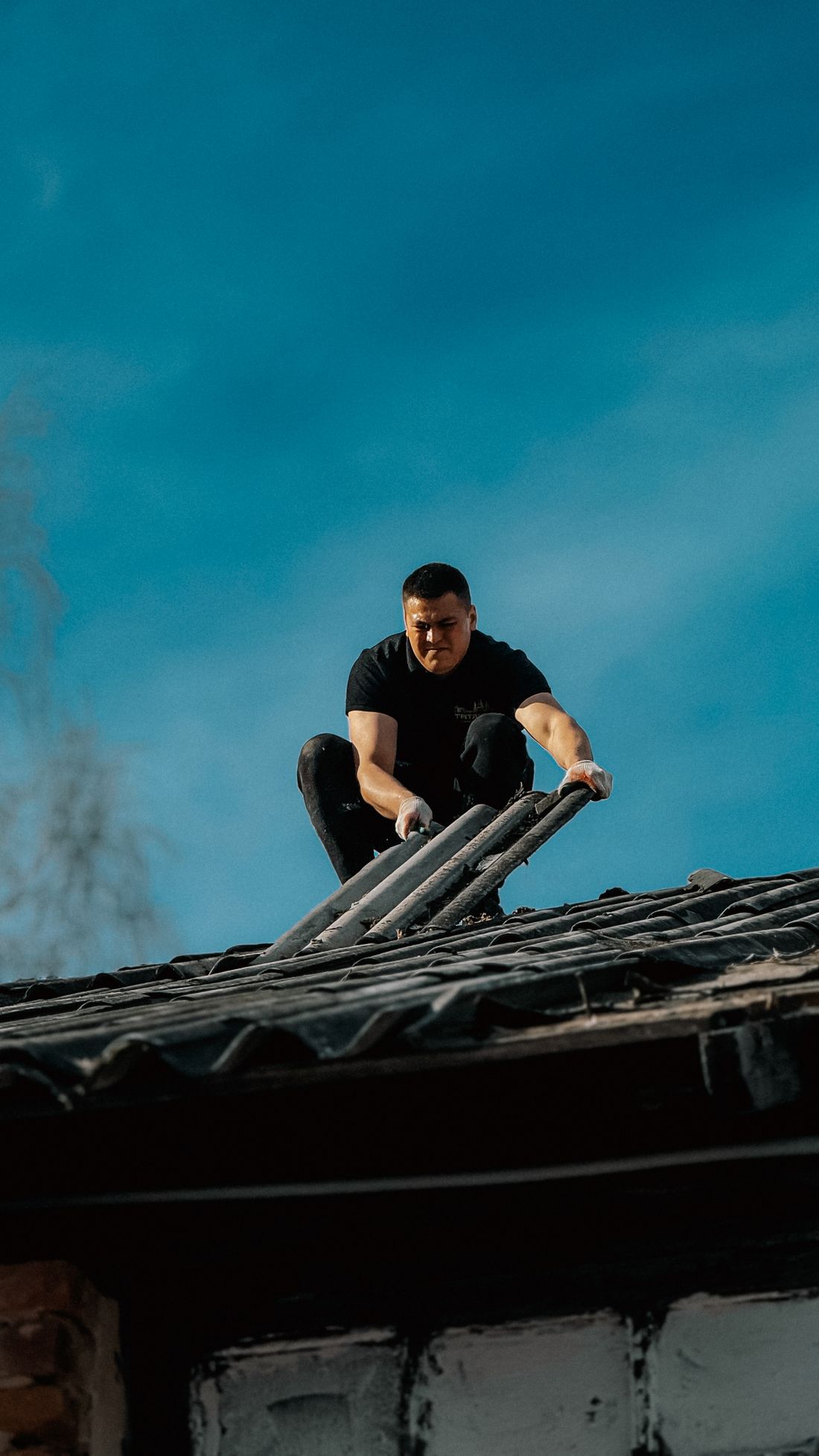
The reason we run nine trades instead of one is simple. A leak is rarely just a leak. It is a gutter, then a flashing, then a ceiling. Splitting that across three contractors is how jobs stall and how blame starts.
- One quote covering the roof, the water and the damage inside
- One supervisor answerable for all of it
- Before and after photographs of every repair, sent with the invoice
- Free site visit and a photographed report before you commit
Book a free site quote 021 853 417
- Working since
- 2007
- Trades under one crew
- Nine
- Buildings
- Domestic & industrial
- Site quote
- Free